The Medicine Buddha
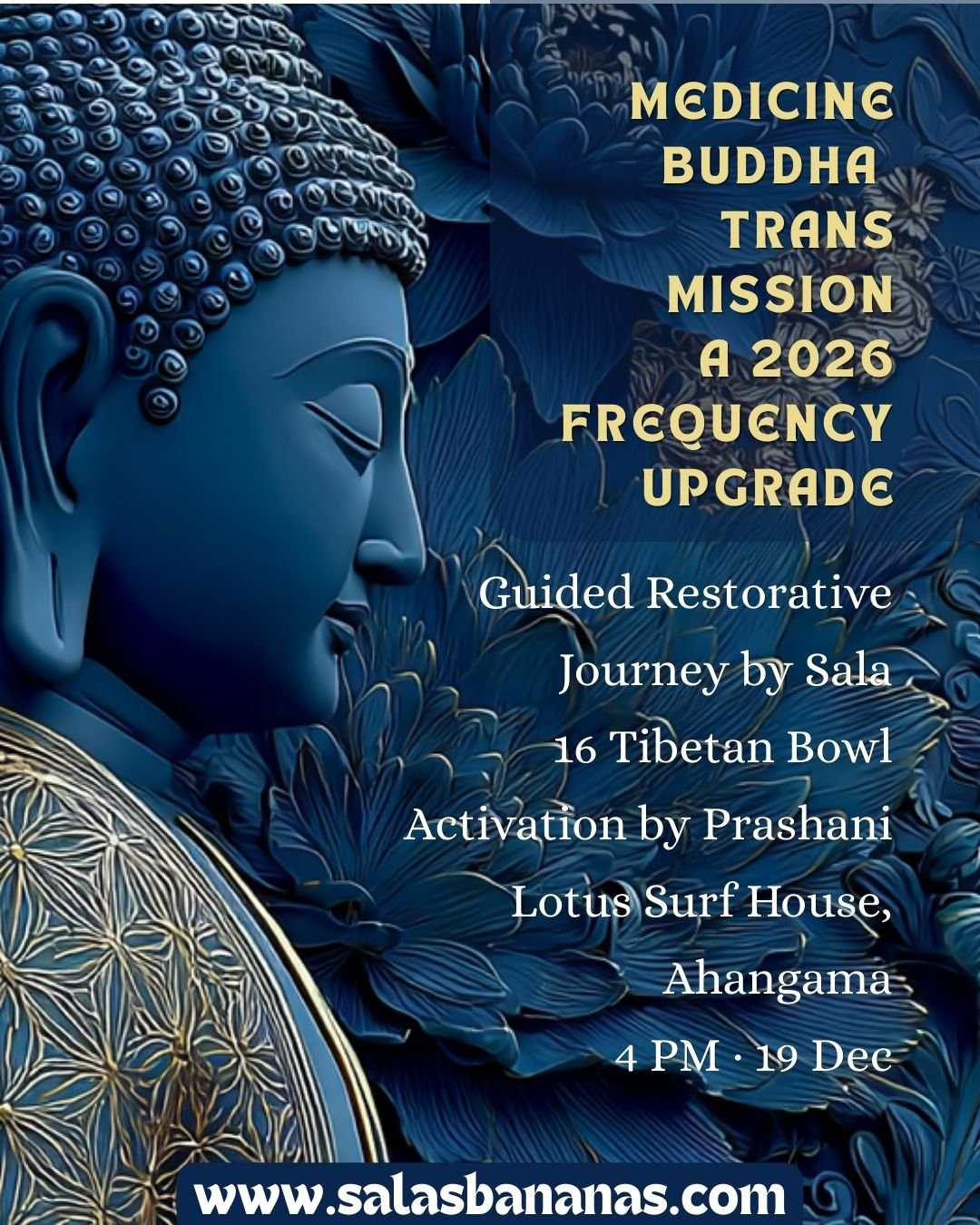
Lineage, Wisdom, and Working with Sacred Sound
When we work with ancient practices, it matters how we name them, how we hold them, and how we relate to the cultures and lineages they come from. The Medicine Buddha and Tibetan sound practices do not belong to trend culture or modern wellness branding. They arise from deep streams of Buddhist wisdom, devotional practice, and lived spiritual discipline.
This work is not about borrowing aesthetics. It is about listening to wisdom that has been carried carefully across centuries.

Who Is the Medicine Buddha
The Medicine Buddha, known in Sanskrit as Bhaisajyaguru, is a central figure in Mahayana Buddhism and holds particular significance within Tibetan Buddhist traditions. He is revered as the embodiment of healing, compassion, and clarity. His presence represents the possibility of alleviating suffering through awareness, ethical living, and inner transformation.
In Tibetan spirituality, the Medicine Buddha is not understood as an external savior. He is a mirror of our own potential for healing. His practice is rooted in the understanding that suffering arises from ignorance and disconnection, and that healing comes through insight, balance, and remembering our true nature.
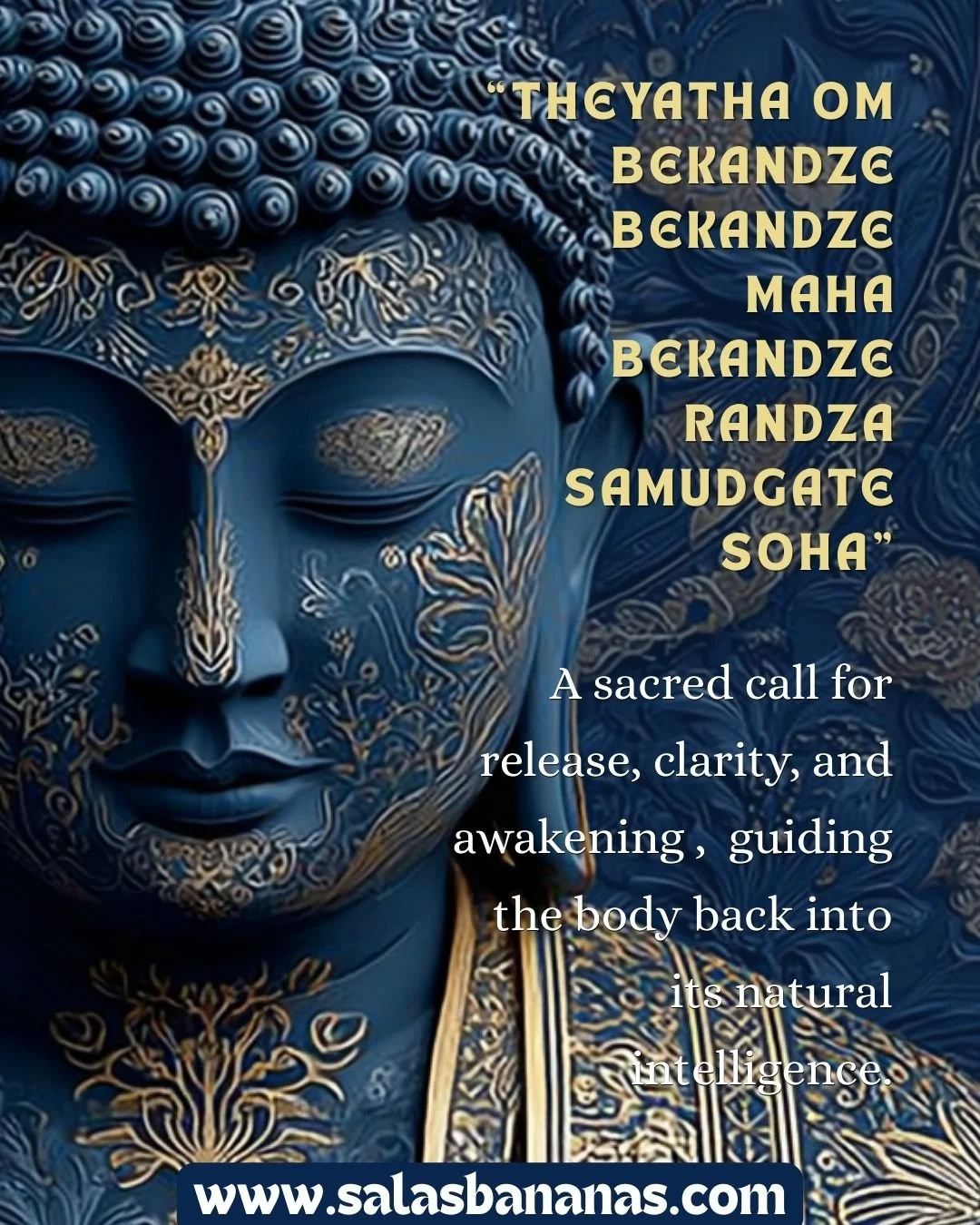
The Medicine Buddha mantra
“Theyatha Om Bekandze Bekandze Maha Bekandze Randza Samudgate Soha”
is a prayer and a sound practice. It is traditionally used to support healing of body and mind, to cultivate compassion, and to awaken wisdom. The mantra is transmitted through oral lineage and devotional practice, not as a tool for control, but as an offering to the mystery of healing itself.
"May the many sentient beings who are sick quickly be freed from sickness. And may all the sicknesses of beings never arise again".
Spiritual and Practical Benefits
Purification of Karma: Regular chanting is believed to clear negative imprints from the past that manifest as present-day obstacles or health issues.
Healing the "Three Poisons": The three repetitions of Bekandze are often said to target the root causes of all human suffering: ignorance, attachment, and hatred.
Empowering Medicine: Tibetan doctors often chant the mantra 108 times over medicines or water to "bless" them and enhance their healing potency.
Protection: Chanting or hearing the name of the Medicine Buddha is said to protect beings from being reborn in lower realms of existence.
Tibetan Spirituality and Sound
Sound has always been a sacred vehicle within Tibetan Buddhist practice. Chanting, bells, drums, and ritual instruments are used to support meditation, invoke presence, and dissolve the illusion of separation between body, mind, and spirit.
Tibetan singing bowls, often referred to as Himalayan bowls, are traditionally made from metal alloys and were used in monasteries and spiritual households. Their tones are not meant to entertain or overwhelm. They are used to support contemplation, prayer, and states of meditative awareness.
In Tibetan understanding, sound is not something we listen to from the outside. It is something that moves through us, reminding the body of its natural harmony. The bowls do not heal on their own. They create conditions where the system can remember balance.
Working with Wisdom, Not Appropriation
It is important to say this clearly. Working with the Medicine Buddha and Tibetan sound practices requires humility. These traditions are not ours to own, remix, or aestheticize. They are living wisdom streams that deserve respect, context, and care.
To work with them ethically means acknowledging their origins, honoring their spiritual roots, and engaging them as practices of listening rather than mastery. It means understanding that healing does not come from techniques alone, but from relationship, intention, and integrity.
In this work, we do not claim to represent Tibetan Buddhism, nor do we replace lineage holders or monastic practice. We engage these teachings as wisdom offerings that point us back to simplicity, presence, and reverence for life.
Why This Matters Now
In a time when spiritual practices are often consumed quickly and discarded just as fast, slowing down matters. Naming lineage matters. Remembering where wisdom comes from matters.
The Medicine Buddha reminds us that healing is not something we extract from a tradition. It is something we enter into with respect. It requires patience, devotion, and the willingness to be changed by what we touch.
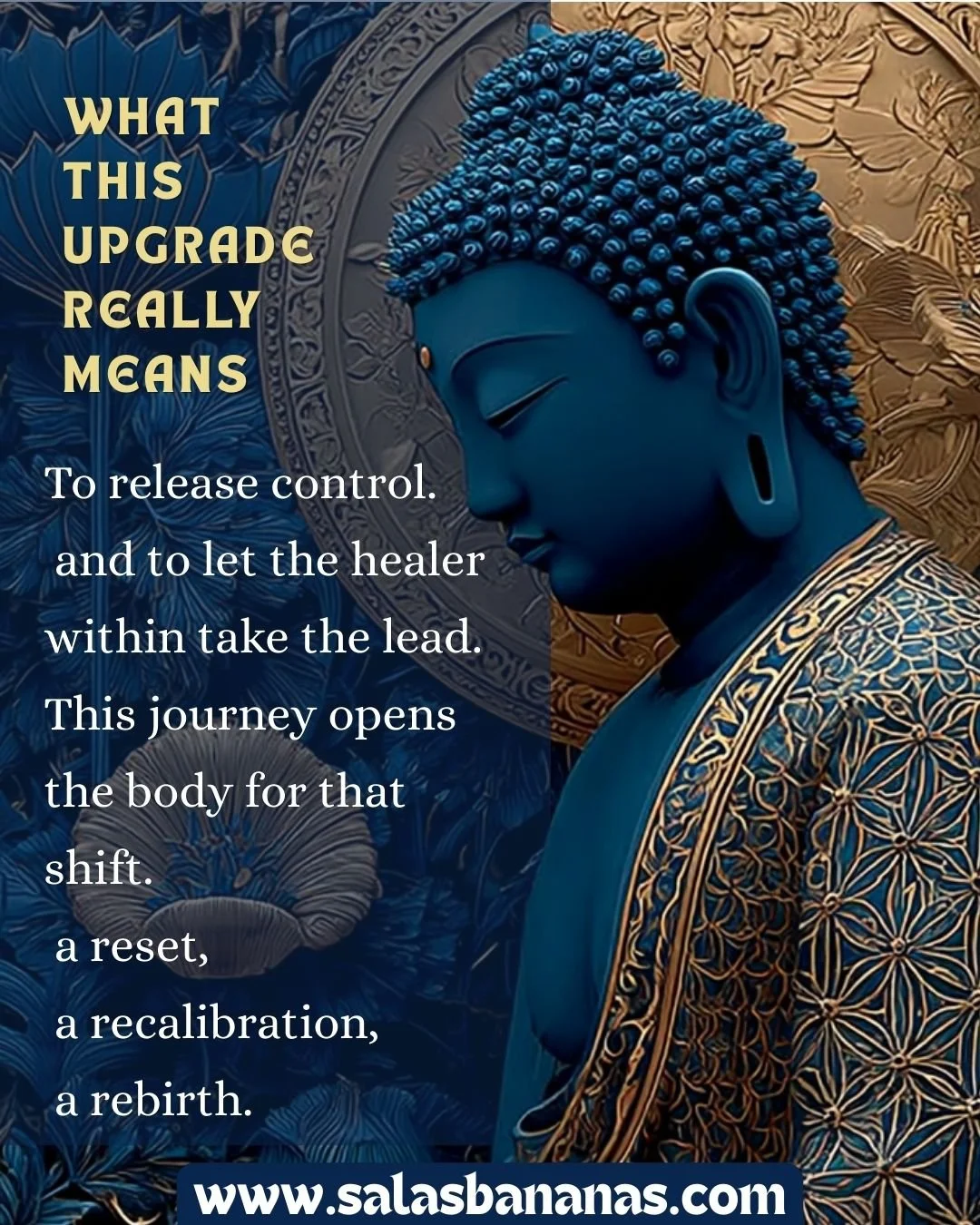
As we approach a new year, this work becomes an invitation to recalibrate not only our nervous systems, but our relationship to wisdom itself. To move away from consumption and toward communion. To allow ancient teachings to inform our modern lives without being stripped of their depth.
This is not about becoming Buddhist. It is about learning how to listen again.

An Invitation Rooted in Respect
When we gather for the Medicine Buddha transmission, we do so with reverence. With acknowledgment. With gratitude for the cultures and practitioners who have carried these teachings forward.
We rest. We listen. We allow sound and mantra to guide us back into alignment, not as owners of wisdom, but as students of life.
This is how healing remains alive. Through respect. Through humility. Through relationship.
Bringing This Offering to Your Space
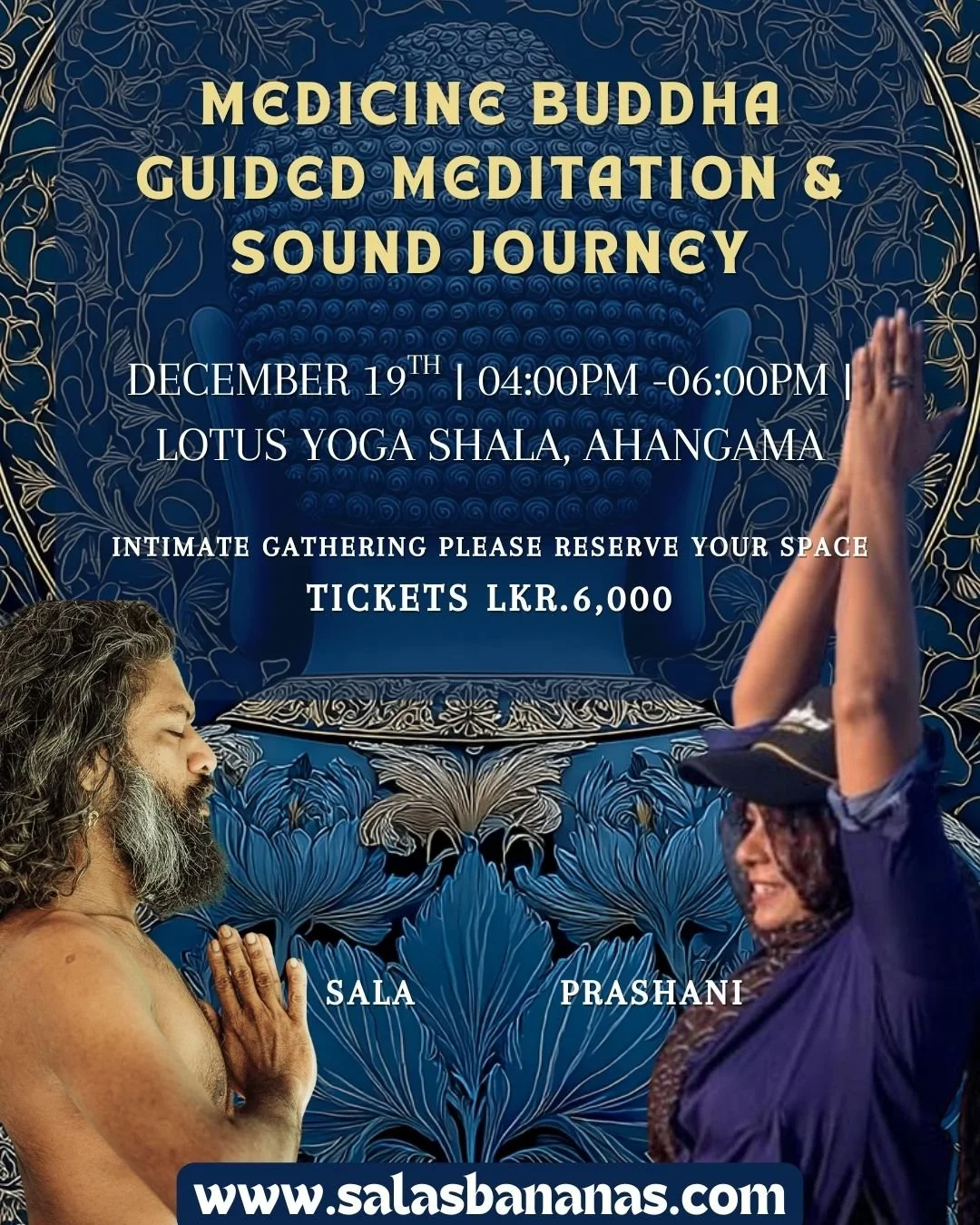
This Medicine Buddha transmission can also be woven into retreats, private gatherings, or hosted at aligned spaces that value depth, reverence, and embodied healing.
If you are holding a retreat, stewarding a wellness space, or feeling called to offer this journey to your community, we are open to co creating this experience with care and integrity.
To inquire about hosting this event or including it within your retreat or program, please reach out directly.
