He Called His House "The Queer Temple", Here's Why | EPI 45 #LindaLanga #podcast - YouTube
I recently had the honour of sitting down with Supun for Episode 45 of LindaLanga (ළිඳ ළඟ), a very special podcast documenting the lives, identities, experiences and stories of queer people in Sri Lanka.
Our conversation, He Called His House "The Queer Temple", Here's Why, is about my journey as a queer Sri Lankan man, father, yogi and artist. We explore how my home on the southern coast became Salasbananas Yoga & Art Shala, affectionately known as The Queer Temple, and how the practice of yoga, art and community continues to teach me what it means to live freely and authentically.
But before I share more about our conversation, I want to celebrate the person creating the space for these stories to be told.
LindaLanga: Our Stories, Our History, Our Island
There is something beautiful about the name LindaLanga (ළිඳ ළඟ), meaning "by the well."
It brings to mind the places where communities have always gathered. Where conversations unfold, stories are shared, relationships are nurtured, and the everyday experiences of being human become part of our collective memory.
Through LindaLanga, Supun is creating a space for exactly this.
His podcast brings together conversations about identity, culture, sexuality, politics, family and the lived realities of queer people navigating life in Sri Lanka.
What makes this work so important to me is that it goes beyond visibility.
The Sri Lankan Queer Archive.
Our queer history is not only found in political movements, legal battles or the struggle for recognition. It also lives in our homes, our families, our relationships, our art, our spirituality, our friendships and the ordinary moments in which we find the courage to be ourselves.
These stories deserve to be heard, remembered and preserved.
I deeply appreciate Supun's commitment to this work. Through his conversations, he is building a body of research and memory that can help future generations understand what it means, and what it has meant, to live as a queer person on this island.
I am incredibly honoured to have my own story become a small part of this growing archive of Sri Lankan queer life.
Queerness, Family and the Courage to Be Ourselves
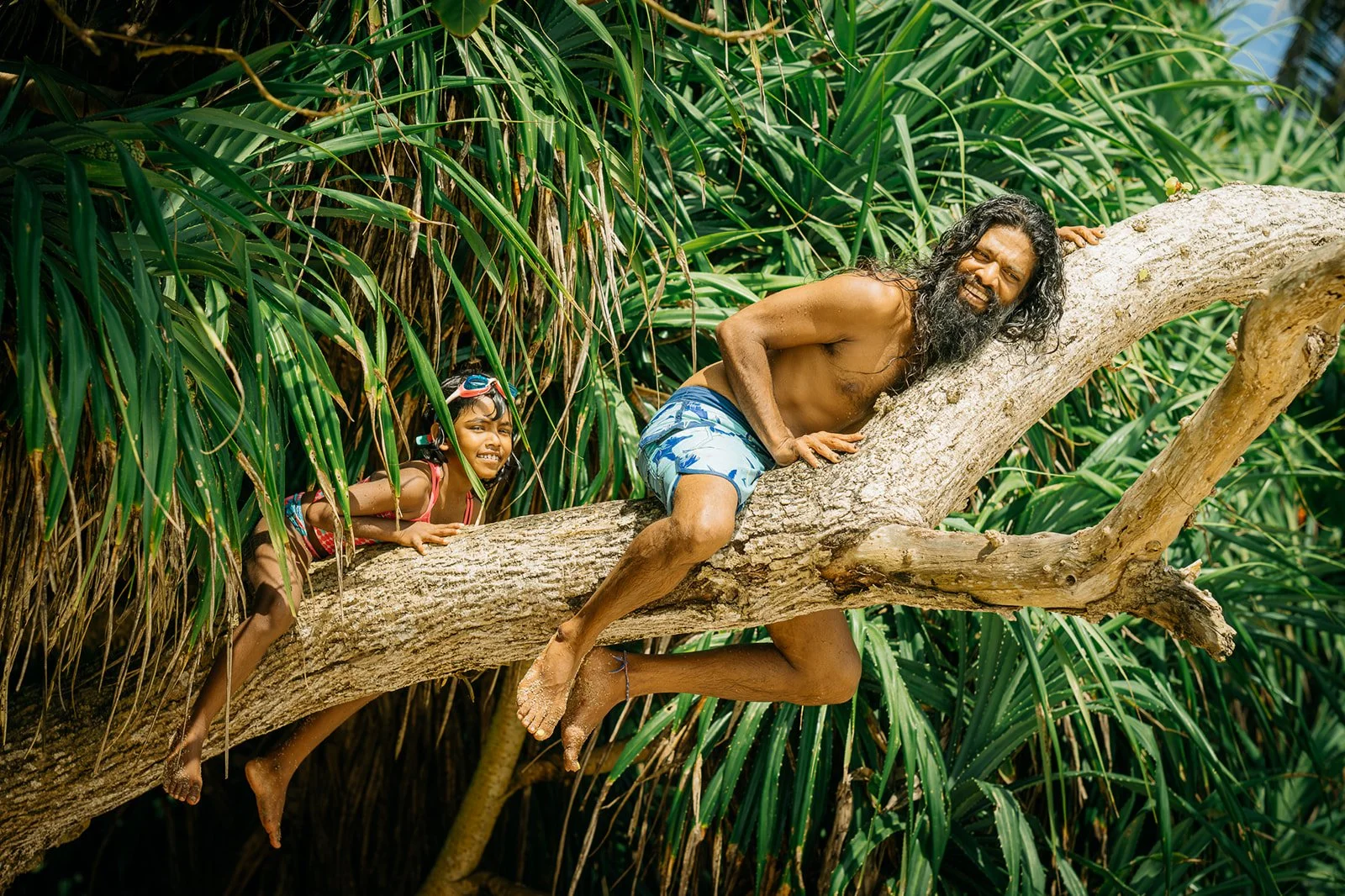
One of the most meaningful parts of this conversation for me is the relationship between queerness, family and belonging.
For so much of my life, I believed that being gay was something I needed to hide. I carried the conditioning, expectations, shame and fear that so many of us inherit without ever consciously choosing them.
When I became a father. The birth of my daughter brought me face to face with a very simple truth. How could I teach my child to love herself, to trust herself and to live freely if I was unwilling to do the same? My journey into queerness was not a journey away from family.
It was a journey towards a more honest relationship with myself, my daughter, my family and the world around me.
I believe this is an important conversation for our island. Queerness is often presented as something that separates us from our families, communities, traditions and culture. Of course, for many queer people, family relationships can be complicated, painful and sometimes unsafe. Those realities deserve recognition and care.
But I also want us to explore another possibility. What if embracing our queerness allows us to build deeper, more truthful relationships? What if the journey of accepting ourselves creates the possibility of accepting one another more fully? What if queerness is not a departure from belonging, but an invitation to rediscover what belonging really means?
How My Home Became The Queer Temple
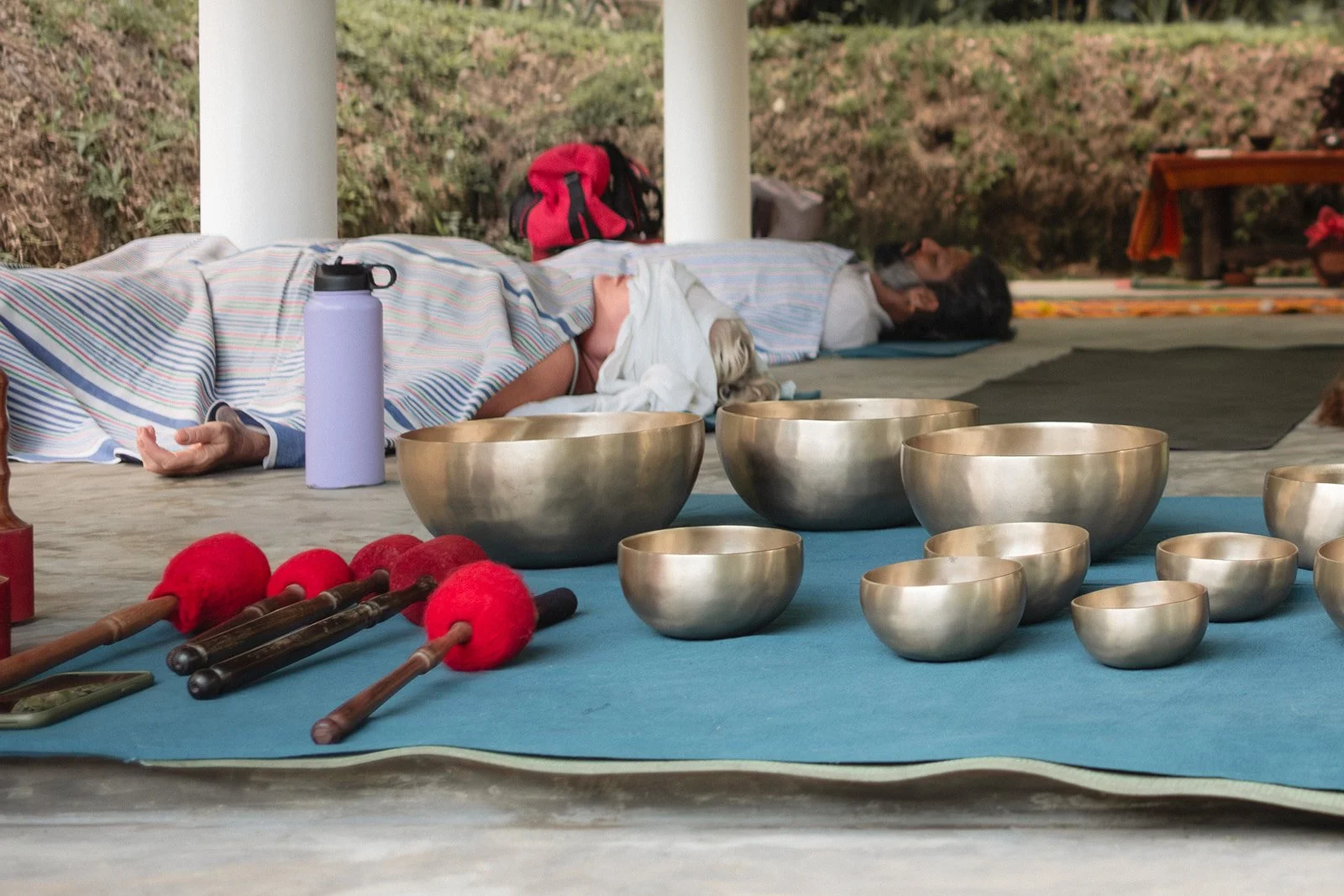
During our conversation, Supun and I explore the journey that brought me to the southern coast of Sri Lanka and how the space I call home became something much larger than I had imagined.
The Queer Temple was not born from a business plan. It grew from a practice of learning to be myself.
Yoga became a way of meeting the parts of me I had spent so long hiding. Art became a language for expressing what words could not always hold. Ritual, meditation and community became ways of remembering that we are not separate from one another, from nature or from the sacredness of life itself.
Over time, my home became a yoga and art shala where people could gather to practise, create, question, celebrate and simply be. A space for queer bodies, artists, visionaries and anyone seeking a deeper relationship with themselves.
I began calling it The Queer Temple because I wanted to honour the sacredness of a space where we are invited to arrive as we are.
Not to become someone else.
Not to fix ourselves.
But to recognise the wholeness that already exists within us.
For me, queerness is sacred because it has invited me to question everything I was taught I needed to be and discover the freedom of simply being.
Queer Retreats, Art and the Medicine of Community
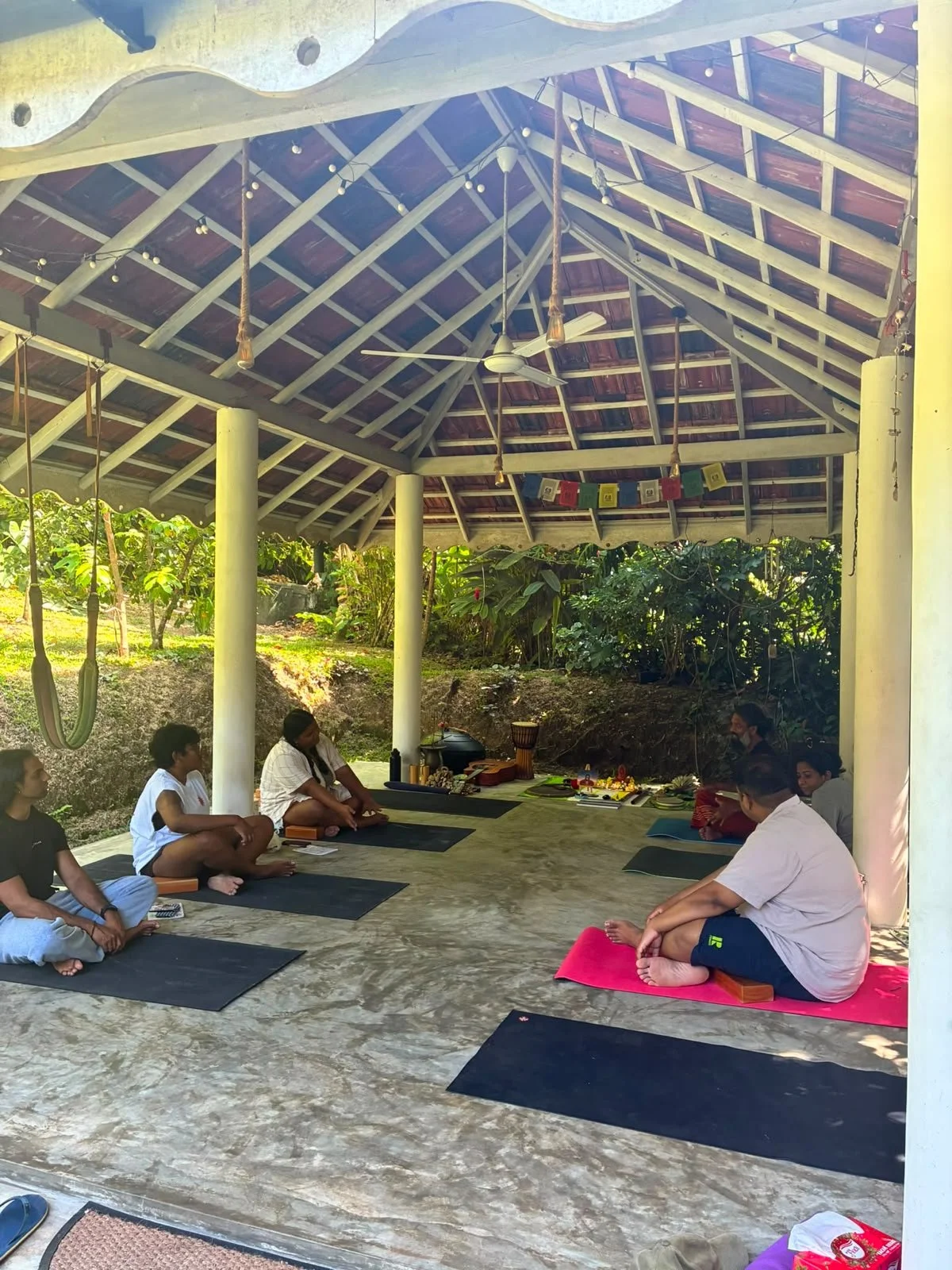
We also talk about the work I am doing through Salasbananas to create queer-centred retreats, workshops, rituals and gatherings here in Sri Lanka. For me, these spaces are not simply about wellness.
They are about reclaiming our relationship with our bodies, our voices, our creativity, our communities and our land. Through yoga, movement, breath, art, self-inquiry and shared experiences, I invite people to explore what becomes possible when we create the conditions to feel safe enough to be ourselves.
I believe Sri Lanka has something extraordinary to offer this work.
Our relationship with nature, our spiritual traditions, our artistic heritage and our deep understanding of community can become beautiful foundations for spaces of queer belonging.
I dream of an island where queer people from Sri Lanka and across the world can gather, practise, create and celebrate life together.
Where retreats become opportunities not to escape the world, but to participate in it more consciously.
Where queer Sri Lankans are not simply included in conversations about healing and spirituality, but are helping to shape them.
Remembering Our Queer Roots
I often think about how much of our relationship with sexuality, gender, identity and belonging has been shaped by colonial histories and inherited systems of shame. And I wonder how much of ourselves we have forgotten along the way. Sri Lanka's queer story did not begin with the modern language we use to describe ourselves.
Our histories are complex, and there is still so much to research, recover, understand and honour. But one thing feels increasingly clear to me.
We do not need to look outside our island to justify our existence. We belong here. We always have.
We are sons and daughters, mothers and fathers, artists, teachers, healers, workers, lovers, friends and neighbours. We are part of the families and communities that make this island what it is. Our queerness is not separate from our Sri Lankan identity.
It is part of the beautiful diversity of our human experience. This is why the work Supun is doing through LindaLanga matters.
Every conversation becomes a record.
Every story becomes an opportunity for recognition.
Every voice preserved makes it a little harder for our existence to be ignored or erased.
And perhaps, one day, a young queer Sri Lankan will discover these conversations and recognise something of themselves in the stories of those who came before them.
An Invitation to Listen
My deepest gratitude to Supun for inviting me into this conversation, for the care he brings to his work and for his commitment to documenting our queer histories. I am proud to be part of this living archive.
I invite you to watch Episode 45 of LindaLanga, where we explore my journey through yoga, art, fatherhood, healing and queerness, and the story of how my home became The Queer Temple. And I encourage you to explore the wider podcast series, to listen to the many voices and experiences being documented, and to support the people creating space for these stories to exist.
Because our history is not only something we inherit.
It is something we are creating together, right now.
And what a beautiful responsibility that is.
With love from the Queer Temple,
